Food and beverage facilities have compressed air demands that most other industries simply don't face. Air that contacts product, packaging, or processing equipment has to meet strict purity standards, and those standards don't leave much room for a system that's been sized on rough estimates.
The consequences of getting it wrong aren't abstract. A contaminated batch, a failed audit, or a packaging line that can't hold pressure are real operational problems with real costs attached.
Air Quality First: Understanding ISO 8573-1
ISO 8573-1 is the international standard that classifies compressed air purity across three contaminants: solid particles, water, and oil. For food and beverage applications, you're typically working to Class 1 or Class 2 oil content (0.01 mg/m³ or less), with low-pressure dew points to keep moisture out of the airstream.
Oil aerosols and moisture in compressed air lines are direct contamination pathways, and this isn't something you can easily patch after installation. If your compressed air system design doesn't account for proper filtration and drying from the outset, retrofitting is painful and expensive. Get the air quality classification right from the start.
What Size Compressor Do You Actually Need?
"What size compressor do I need?" is the most common question we hear from food processing facility managers, and the answer depends on considerably more variables than most people expect.
Start by listing every pneumatic tool, actuator, conveyor, filling station, and cleaning process in your facility that draws compressed air. Each piece of equipment carries a rated air consumption in litres per minute (L/min) or cubic feet per minute (CFM). Add them up to get your base demand figure.
From there, apply a simultaneous use factor. Not everything runs at once, but during peak production periods, a lot does. A typical figure for a busy production facility sits between 60-80%. Apply that to your total, then add a 20-25% buffer on top for peak surges. Filling lines and automated packaging equipment are particularly unforgiving when pressure drops, even briefly.
Finally, build in a leakage allowance and room for future capacity. A well-maintained system typically loses 5-10% of total air consumption to leakage, and older facilities can run considerably higher. Adding another 10-20% on top of your calculated demand accounts for future expansion and saves you from replacing the compressor far sooner than planned.
Once you have a demand figure confirmed, your compressed air piping needs to be sized correctly to deliver air at the right pressure without losses across the network. The Alu Air piping calculator takes the guesswork out of pipe sizing for your specific layout. Run your numbers here.

Why Pressure Fluctuation Is a Bigger Deal in Food & Beverage
In a general industrial environment, a temporary pressure drop is an inconvenience. In a food and beverage facility, it can compromise fill accuracy, disrupt automated sealing, and create hygiene risks if pneumatic valves don't fully close.
Carbonated beverage lines are a straightforward example. Pressure inconsistency during filling affects carbonation levels and leads to product rejection or rework. On packaging lines, pneumatic actuators need consistent pressure to maintain seal integrity. If your system can't meet peak demand without dropping below minimum operating pressure, these problems will show up in your quality control data regularly.
Pressure fluctuations also carry safety implications that go beyond product quality. If your team's safe operating procedures around compressed air are due for a refresh, our article on compressed air safety in the workplace covers the risks and practical guidelines worth revisiting.
.jpg?width=1100&height=700&name=Blog%20images%20(6).jpg)
Compressed Air Solution for New Zealand New Milk. View the case study.
Getting the Piping Right
Compressed air system design for food and beverage facilities needs to treat piping layout with the same rigour as compressor selection. The wrong pipe material, diameter, or configuration can introduce contamination, create pressure drops across the network, and make future modifications more complicated than they need to be.
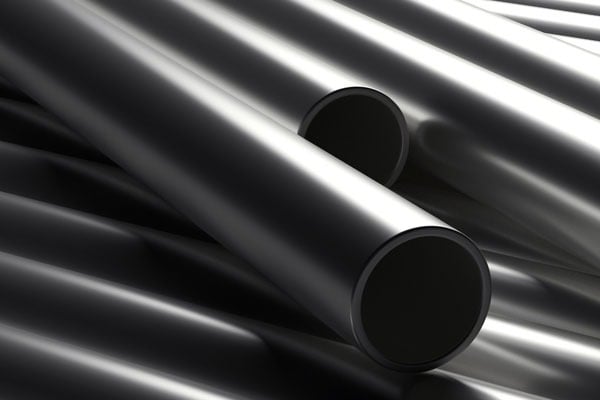
For F&B environments, aluminium compressed air piping (like the Alu Air range available through IAS) is widely preferred over steel. It doesn't corrode, won't shed rust particles into the airstream, and the modular design makes it straightforward to reconfigure as production lines change.
Moisture drainage also needs to be factored into the layout. Water pooling in low-lying sections of pipework is a contamination risk, so properly graded pipe runs and auto-drain valves are standard practice in food-grade installations.
Putting It All Together
Sizing a compressed air system for a food and beverage facility requires a methodical approach: calculate real demand, build in appropriate headroom, lock in your air quality classification from the start, and design your piping network to deliver consistent pressure across the facility.
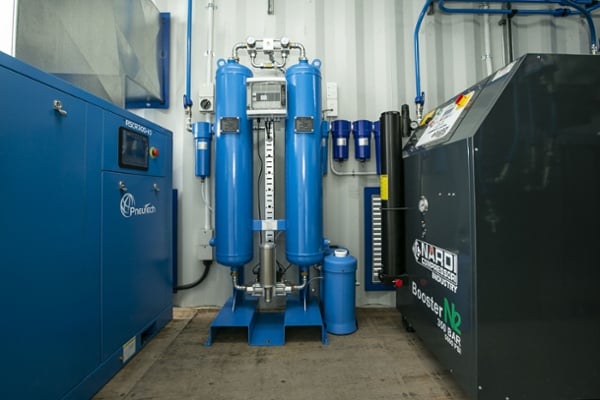
The IAS Food & Beverage Operations Guide covers food-grade compressors and nitrogen solutions, multi-stage filtration, and real-world case studies from facilities like Fonterra and McCain. Download your copy here and see how other New Zealand food and beverage operations have approached it.


.jpg)