‹ go back to the case study page

Compressed Air Optimisation for Kinetic

The compressor at Kinetic's Onehunga bus depot was running continuously at a fraction of its capacity, consuming far more power than needed. When the cooler began failing on top of that, Kinetic needed to decide whether to repair a machine that was already costing them more than it should. IAS made that decision straightforward.

Compressed Air Optimisation for Kinetic

Overview

Kinetic's Onehunga depot was operating an oversized compressor that was consuming significantly more power than the site required. Industrial Air Systems conducted a detailed analysis of the depot's actual air demand, backed by controller data, and recommended a right-sized replacement over an expensive repair to an inefficient machine. The result was annual energy savings of $20,880 and a payback period of around five months.

The client

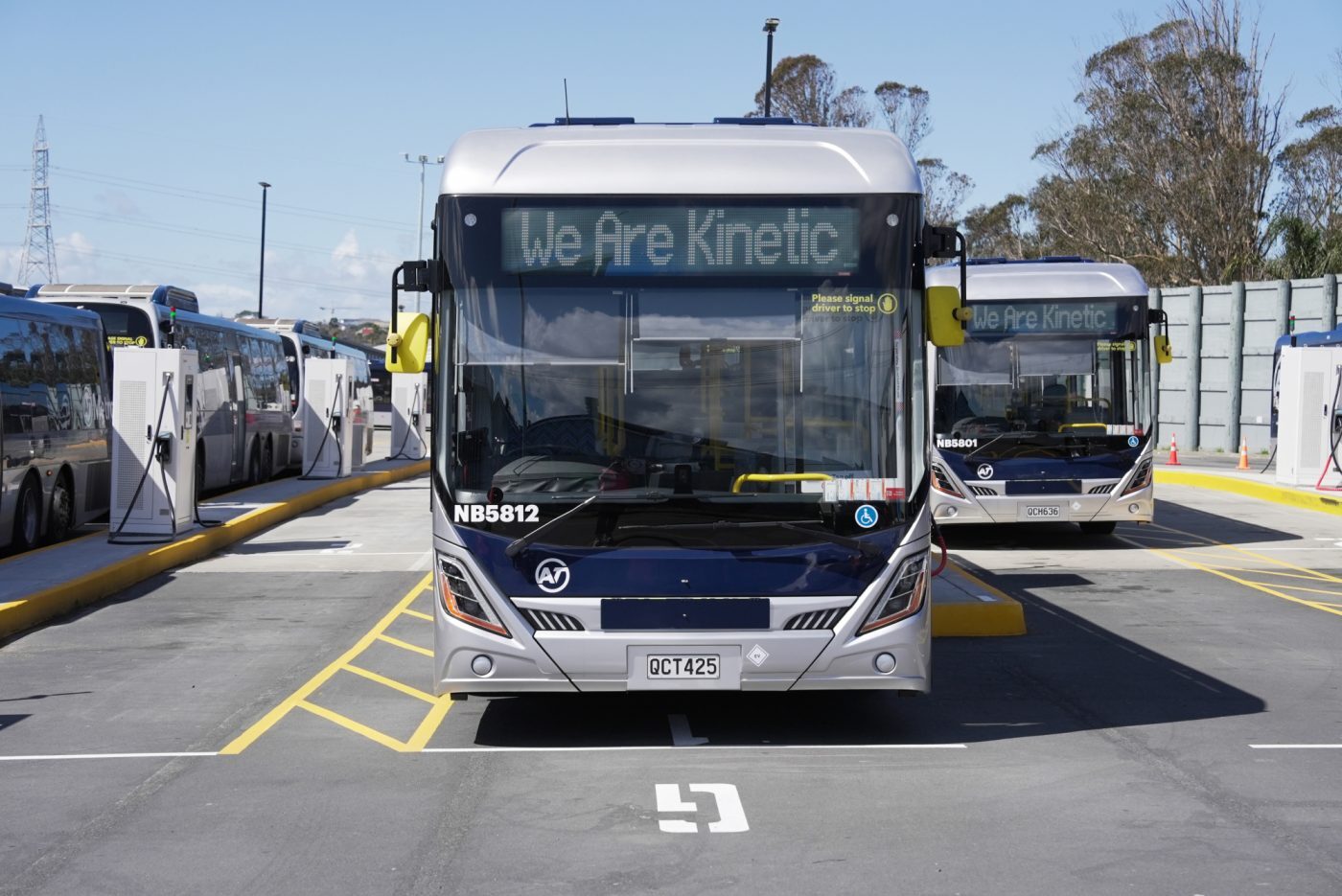
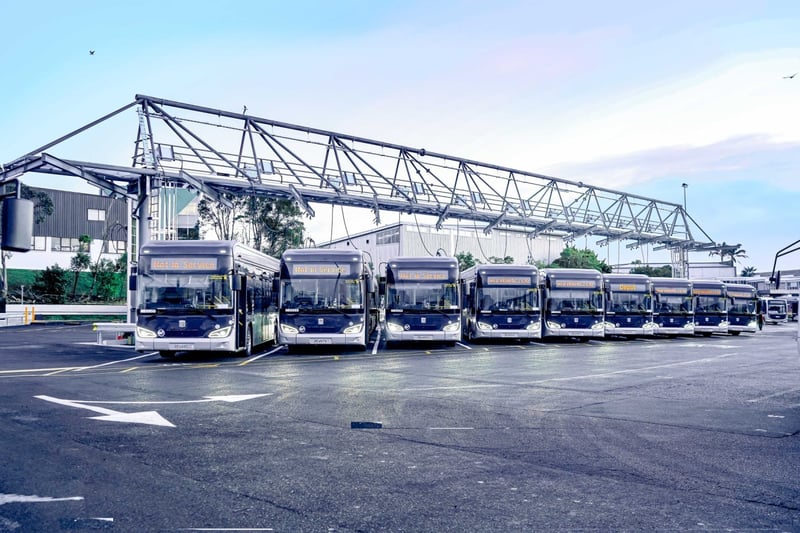
Kinetic is New Zealand's largest bus service provider, operating approximately 650 buses across Auckland from ten depots and carrying around 26.4 million passengers each year. They also operate in Wellington, Christchurch, Tauranga, and Hamilton. In 2025, Kinetic was awarded all four contract units under Auckland Transport's Tranche 3 bus services tender, valued at NZD $755 million, with a commitment to 201 zero-emission buses across the network. operating an oversized compressor that was consuming significantly more power than the site required. Industrial Air Systems conducted a detailed analysis of the depot's actual air demand, backed by controller data, and recommended a right-sized replacement over an expensive repair to an inefficient machine. The result was annual energy savings of $20,880 and a payback period of around five months.

Compressed Air Optimisation NZ

The challenge

Controller data from the Onehunga depot showed the compressor running 100% of the time at only 20-40% of its capacity, consuming an estimated $31,320 per year in electricity for a site that didn't require that output. When the OEM cooler began failing, sourcing a replacement from Belgium carried an estimated cost of $8,000, and with installation and additional repairs factored in, the total approached the cost of a new, correctly sized machine.

IAS had already worked across a number of Kinetic's other sites, so when Onehunga needed attention, they were brought in to assess the situation. Other suppliers were proposing a like-for-like replacement, which would have carried the same inefficiencies forward. IAS took a different approach.

The solution

IAS reviewed the controller data and operating patterns in detail, quantifying the impact of the oversized machine on energy consumption, service requirements, and carbon output. The findings were presented clearly, giving Kinetic a transparent picture of the current costs and a straightforward case for change.

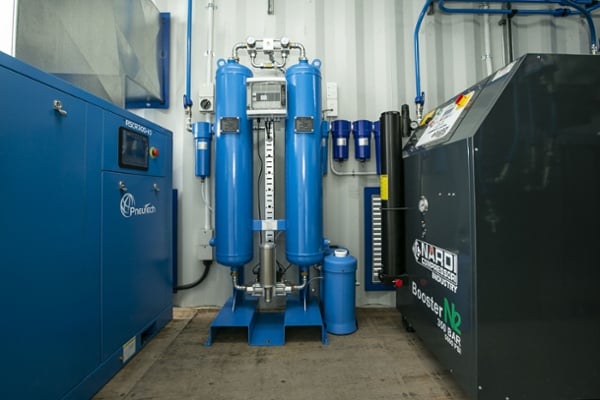
The recommendation was a replacement compressor matched to the depot's actual air demand, one that would operate within its intended load range rather than running flat out to produce air the site didn't need. Rather than spending $8,000 or more keeping an inefficient machine alive, Kinetic invested $16,700 in a solution that addressed the root problem. The full process from initial assessment to installation took six weeks.

The results

With the new compressor operating at the right capacity for the site, electricity costs dropped from an estimated $31,320 per year to $10,440, annual savings of approximately $20,880. At that rate, the investment paid for itself in around five months.

The $8,000 cooler repair was avoided entirely, and the depot is no longer carrying the ongoing service costs that come with running an oversized machine. The upgrade also reduces the depot's carbon emissions by approximately 10.7 tonnes of CO₂ per year, a tangible contribution to Kinetic's broader sustainability objectives as they transition their Auckland fleet toward zero emissions.