Your facility's air compressor tank should work like a reliable workhorse, not a temperamental machine that keeps your maintenance team guessing. Yet many industrial operations struggle with pressure drops, uneven flow, and the production headaches that follow.
Stable compressed air delivery isn't complicated, but it does require attention to a few critical factors. Get these right, and your system will run smoothly for years.
Why Pressure Drops and Flow Problems Happen
Most compressed air tank issues trace back to three main areas: undersized equipment, leaks throughout the system, or poor maintenance habits.
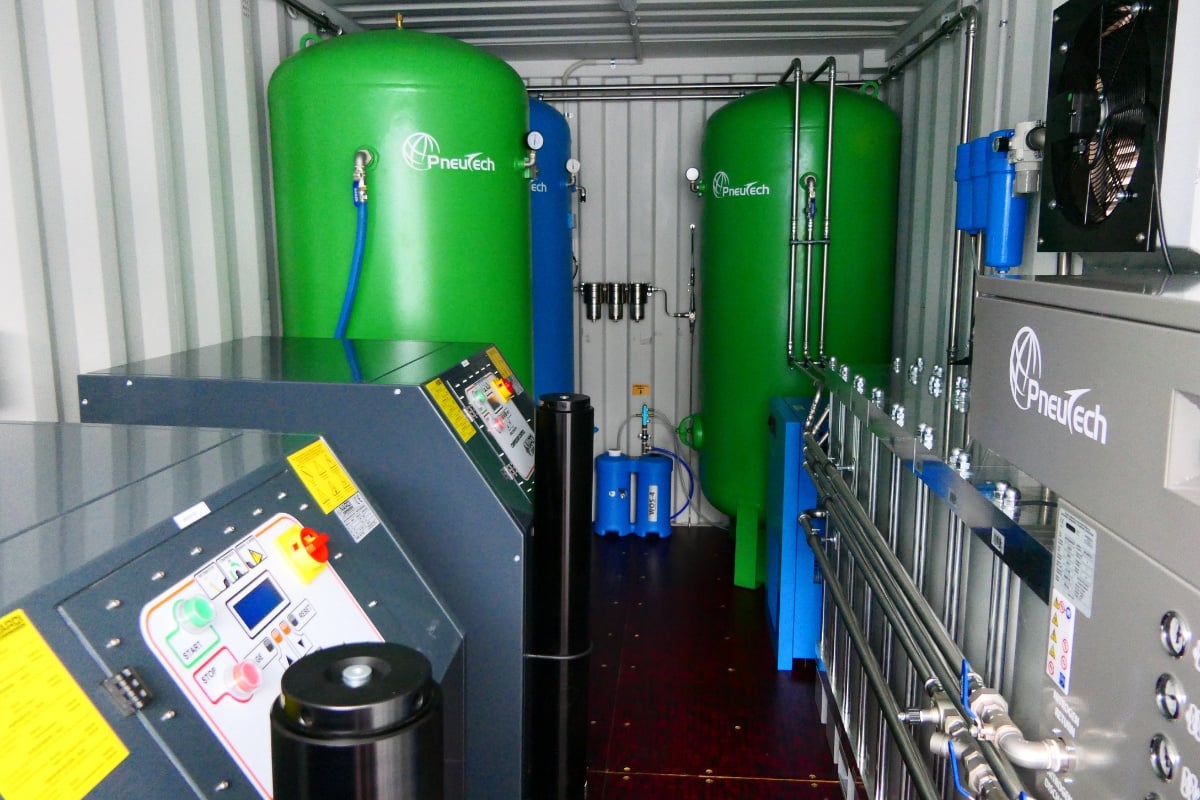
An undersized air receiver tank creates the most obvious problems. When your compressor cycles on and off constantly, trying to meet demand, pressure swings are inevitable. The tank acts as a buffer between the compressor and your pneumatic tools or processes. Too small, and there's no cushion to smooth out demand spikes.
Leaks are the silent killers of consistent pressure. A facility might lose 20-30% of its compressed air through worn fittings, damaged hoses, and corroded pipe joints. Each leak forces the compressor to work harder, and when demand peaks, the system simply can't keep up.
Worn components compound these issues. Valve seats deteriorate, filters clog, and condensate drains fail. This results in restricted flow, pressure losses, and equipment that underperforms exactly when you need it most.
Finding the right equipment for your specific needs prevents many of these headaches before they start. Our air compressor selector tool helps match your operation with the perfect system.

Sizing Your System Correctly
Proper sizing starts with understanding your actual compressed air consumption, not guessing. Calculate the total CFM (cubic feet per minute) requirements across all your equipment, then add 15-20% headroom for expansion and unexpected demand.
The compressor tank size matters just as much as compressor capacity. Industry practices commonly suggest having roughly 3-5 gallons of air tank for compressors storage capacity per CFM your compressor produces. This ratio provides adequate storage to handle intermittent loads without constant motor cycling.
Continuous flow air compressor setups work well for operations with steady, predictable demand. These systems run at consistent speeds, eliminating the pressure fluctuations that come with frequent starts and stops. Pair them with a properly sized storage capacity, and you've got a stable foundation.
Maintaining Clean, Leak-Free Distribution
Your piping network deserves as much attention as the compressor itself. Oversized pipes reduce friction losses and maintain pressure at end-use points. As a starting point, main distribution lines should allow an air velocity below 20 feet per second.
Regular leak detection pays for itself quickly. Here's what to focus on:
- Walk your facility with an ultrasonic leak detector quarterly, or simply listen during quiet periods
- Fix leaks promptly (even small ones waste significant energy over time)
- Check connection points, worn hoses, and threaded fittings first
- Document repairs and monitor the same spots during future inspections
Install pressure gauges at strategic points throughout your distribution system. These provide real-time feedback about where restrictions occur. If pressure drops dramatically between the air receiver tank and end users, you've got a distribution problem that needs attention.
Balancing Supply with Demand
Peak demand periods expose weaknesses in compressed air systems faster than anything else. If your pressure drops when multiple tools run simultaneously, your system lacks adequate storage or compressor capacity.
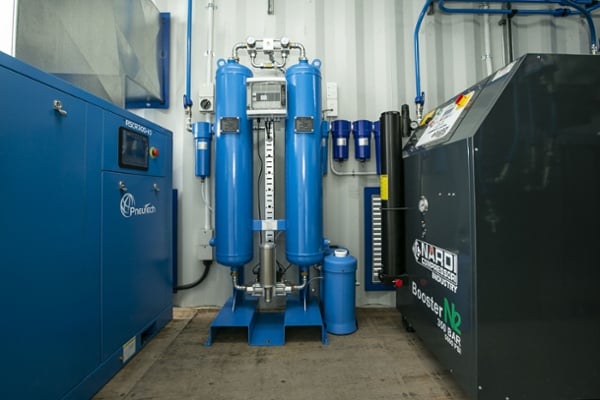
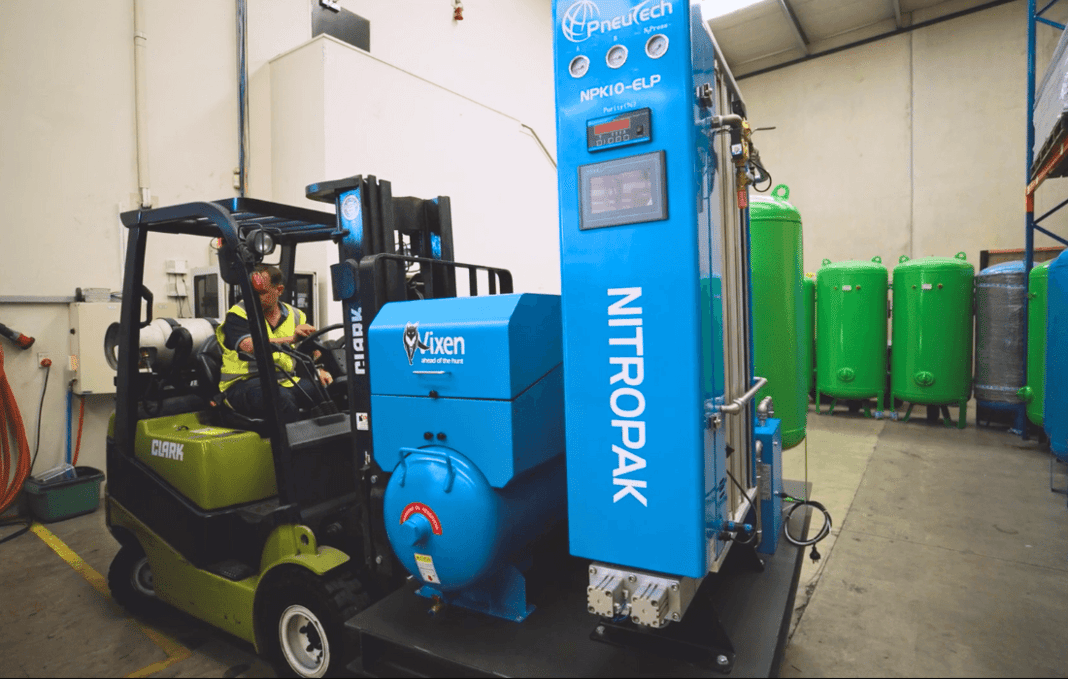
Secondary receiver tanks located near high-demand areas can solve localised pressure issues without upgrading your entire system. These act as additional buffers, supplying stored air during brief spikes in consumption.
Consider your facility's usage patterns when planning improvements. Operations that use air intermittently benefit more from additional tank capacity. Facilities with constant, steady demand might need a larger compressor or a continuous flow air compressor instead.
Implementing Preventive Maintenance
Consistency requires ongoing attention. Set up a maintenance schedule that includes:
- Monthly drain valve checks (condensate buildup reduces effective tank volume)
- Quarterly filter replacements (restricted filters cause pressure drops)
- Annual valve inspections (worn valves leak and reduce efficiency)
- Biannual full system pressure tests (identify developing issues early)
Monitor your compressor's cycle frequency. If it's starting and stopping more than 6-8 times per hour under normal load, you likely need more storage capacity or better demand management.
Check inlet filters regularly. A clogged inlet filter starves the compressor of air, reducing output and causing the motor to work harder. This single issue causes more pressure problems than most operators realise.
Getting Professional Support
Complex systems sometimes need expert evaluation. If you've addressed obvious issues but still experience inconsistent pressure, a compressed air audit can identify problems that aren't immediately visible.
Professional assessments typically include air compressor flow measurements, leak detection surveys, and pressure mapping throughout your distribution network. The investment often pays for itself through improved efficiency and reduced energy consumption.
Want to explore equipment options that deliver reliable, consistent performance? Our compressed air equipment catalogue shows the full range of solutions available for New Zealand operations.


.jpg)